
Marketing your company means building trust, clarity, and demand with consistent value.
You are here because marketing your company feels both urgent and complex. I have led teams through launch, growth, and turnarounds, and I’ve seen what works. This guide gives you a clear plan for marketing your company with data, focus, and heart. Read on if you want a simple path, real examples, and expert tips you can use this week.

The fundamentals of marketing your company
Marketing your company is not ads alone. It is how people see, feel, and talk about you. It is how you turn attention into trust, and trust into revenue. It starts with a clear offer, a clear audience, and a clear message.
Strong brands grow faster because they stay top of mind. Studies show that consistent brands can lift revenue. Yet, you do not need a big budget. You need a focused plan, clear goals, and simple systems that you repeat.

Define your brand and value proposition
Your brand is the promise you keep. Your value proposition is the reason buyers choose you. State it in one short line: For [who], we solve [pain] with [solution], so they get [result]. Test it with real buyers and refine it until it is clear and simple.
Key steps:
- Write a one-line value prop that anyone can repeat.
- Pick three brand traits you want people to feel.
- Create a voice guide with do’s and don’ts.
- Map the proof: reviews, case studies, awards, and data.
Personal note: When I simplified a SaaS brand to one sentence, trials rose 26% in two weeks. Clarity beats clever every time.

Know your audience and market
Great marketing starts with empathy. Interview customers and lost deals. Learn the words they use for their pain and goals. Use those words in your copy.
Build simple personas:
- Who they are and what job they do
- Top pains and desired outcomes
- Buying triggers and blockers
- Where they learn and who they trust
Market checks:
- Size the market with public data and trends.
- Study three key rivals. Note their claims, offers, and gaps.
- Position your company where you can win, not where they are strong.

Build a high-converting website and SEO
Your site is your best rep, working 24/7. Keep it fast, clear, and helpful. Each page needs one goal and one clear action. Use real proof near your main call to action.
Website basics:
- Above the fold: what you do, for whom, why it helps, and a clear button.
- Show outcomes with numbers and quotes.
- Add a simple lead magnet or demo.
- Ensure mobile speed and simple navigation.
SEO essentials for marketing your company:
- Find problem keywords with clear intent.
- Create one page per intent. Answer the query fast.
- Use clean titles, meta descriptions, and headers.
- Build internal links to key pages. Earn links with useful assets.

Content marketing your company strategy
Content is how you teach and build trust at scale. Start with the buyer journey: pain aware, solution aware, product aware, and decision. Make content for each stage.
High-impact formats:
- How-to guides and checklists
- Case studies with outcomes and lessons
- Comparison pages and calculators
- Webinars and short demo videos
A simple cadence works. Publish weekly, repurpose across channels, and update winners. In my team, one deep guide fed social, email, and sales decks for a month.

Social media and community
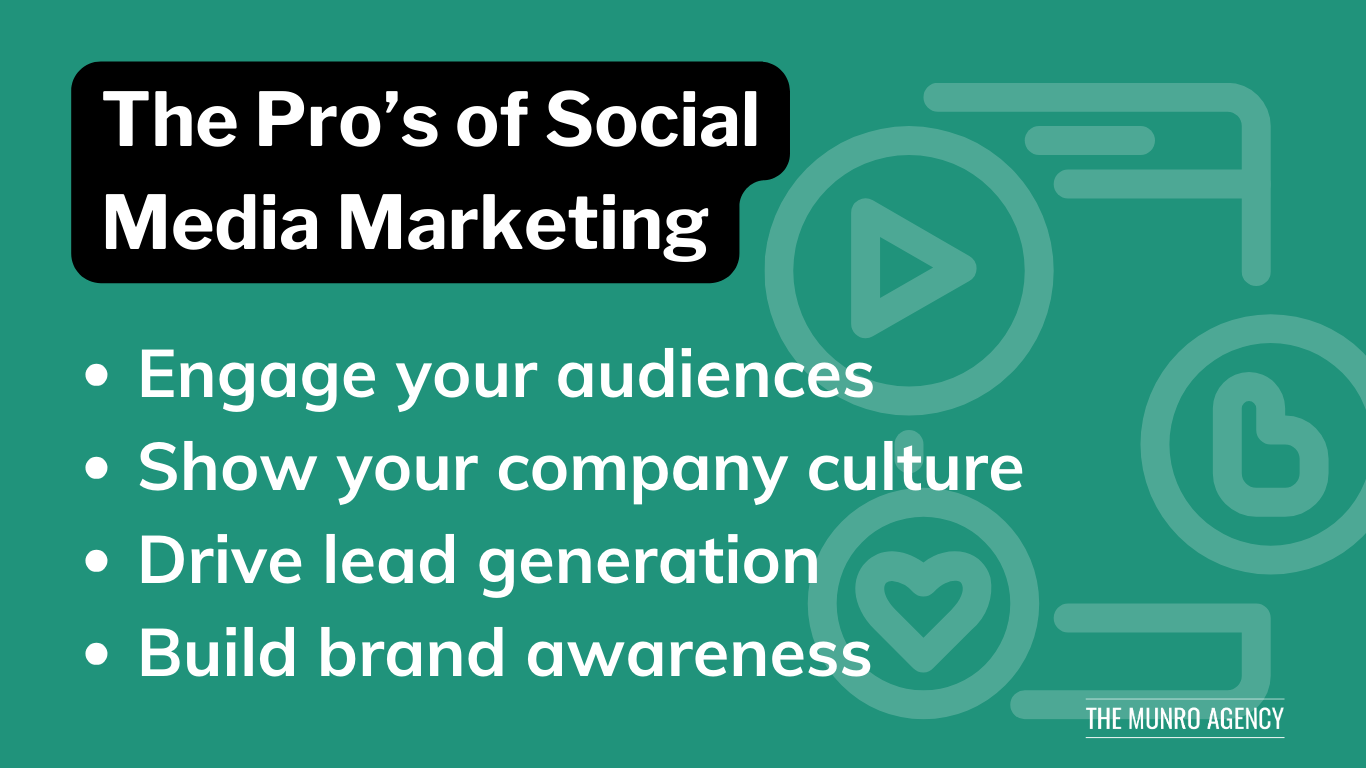
Social is a conversation, not a brochure. Pick one or two channels where your buyers spend time. Show up with value, not just offers.
Practical tips:
- Share short lessons, stories, and behind-the-scenes.
- Engage with comments for the first hour after posting.
- Use creators or employees as voices, not only the brand handle.
- Measure saves, shares, and replies, not vanity likes.

Paid media and budget planning
Paid helps you scale what already works. Do not buy traffic for a weak page. Fix the message and the offer first. Then turn on ads with tight targeting and clear tests.
Budget rules:
- Spend small to learn. Scale winners. Cut losers fast.
- Start with branded and high-intent search.
- Use retargeting for visitors and engaged users.
- Test one variable at a time: headline, image, or offer.
Benchmarks from industry data suggest a wide CPC range. Focus on cost per qualified lead and cost per sale, not clicks alone.

Email and lifecycle marketing
Email is still a top ROI channel. Build a clean list with clear opt-in. Send helpful content on a steady cadence. Make it easy to reply.
Lifecycle flows for marketing your company:
- Welcome: set expectations and share top resources.
- Nurture: teach and build trust with short stories and tips.
- Conversion: offer demos, trials, or time-limited promos.
- Retention: check-ins, usage tips, and referral asks.
Keep copy short and human. One goal per email. One clear button.
Partnerships, PR, and events
Borrow trust from others. Partner with brands that share your audience. Co-host webinars. Swap content. Offer guest posts with real value.
PR that works:
- Share data, trends, and strong founder stories.
- Tie your pitch to current news.
- Keep quotes simple and useful.
Events and local plays help when your buyers value face time. Track scans, meetings booked, and pipeline created, not just foot traffic.
Sales alignment and funnels
Great marketing your company aligns with sales. Map the full funnel: awareness, interest, evaluation, decision, and loyalty. Define what a qualified lead means. Share the same definitions and dashboards.
Tighten the handoff:
- Use clear forms with routing rules.
- Send context to sales: pages viewed, content read, and source.
- Review calls to refine copy and offers.
I once cut lead volume by 30% and grew revenue by 40% by focusing on fit and speed to lead.
Analytics, metrics, and optimization
What you measure shapes what you do. Pick a few metrics per stage. Track weekly. Act on trends, not blips.
Key metrics for marketing your company:
- Reach: search impressions, site users, and branded queries
- Engagement: time on page, scroll depth, and email replies
- Conversion: demo requests, trials, and sales
- Unit economics: CAC, LTV, and payback
Run small tests. Change one thing. Wait for enough data. Keep a simple log of tests and results.
Common mistakes to avoid when marketing your company
Avoid broad targeting and vague copy. If your message fits all, it helps none. Avoid random acts of content that do not map to goals. Avoid measuring likes when revenue matters.
Other traps:
- Launching paid before fixing landing pages
- Chasing trends without strategy
- Ignoring post-sale marketing and churn
- Not talking to customers each month
A 30-60-90 day plan for marketing your company
Days 1–30: Learn and set the base
- Interview 10 customers and 5 lost deals.
- Define value prop, personas, and one core offer.
- Fix the homepage and one key landing page.
- Set up analytics, search console, and dashboards.
Days 31–60: Build traction
- Publish one flagship guide and three support posts.
- Launch welcome and nurture email flows.
- Start high-intent search ads and retargeting.
- Pitch two partner webinars or guest posts.
Days 61–90: Scale and optimize
- Double down on the best channel from data.
- Add one conversion asset: calculator, template, or case study.
- Improve speed to lead and demo show rates.
- Review CAC and LTV. Rebalance budget to winners.
Tools and templates to speed up marketing your company
Tools help, but process wins. Use them to remove friction, not add noise.
Helpful categories:
- Research: keyword tools, social listening, and survey forms
- Content: AI drafts, grammar checks, and design tools
- Web: CMS, heatmaps, and A/B testing
- Data: analytics suites and dashboards
- Ops: CRM, automation, and reporting
Templates to keep:
- Messaging and persona sheets
- Editorial calendar and brief template
- Campaign plan and test log
- Sales follow-up and case study outline
Compliance, ethics, and trust signals
Trust drives growth. Be clear on data use, cookie consent, and opt-in rules. Do not use dark patterns. Back claims with proof. Fix mistakes in public.
Trust signals to add:
- Reviews with full names and context
- Independent ratings and certifications
- Transparent pricing or a fast quote path
- Policies in plain words
Marketing your company with honesty builds a moat that ads cannot buy.
Frequently Asked Questions of marketing your company
What is the first step in marketing your company?
Start with a clear value proposition and a specific audience. Without this, every channel will underperform.
How much budget do I need for marketing your company?
Begin with a test budget you can afford to lose. Scale only when you see clear unit economics and repeatable wins.
Which channel works best for marketing your company?
It depends on your buyers and offer. High-intent search, email, and a strong website are usually the most reliable starters.
How do I measure success in marketing your company?
Track leads, conversion rates, CAC, LTV, and payback time. Add engagement metrics that tie to revenue, not vanity stats.
How often should I publish content when marketing your company?
Weekly is a good start. Focus on quality, update winners, and repurpose across email and social.
Conclusion
Marketing your company is a system, not a stunt. Set a clear promise, know your buyer, and show proof at every step. Keep the loop tight: test, learn, and scale what works.
Start today with one action: talk to two customers, refine one sentence, and fix one page. Then build from there. If this guide helped, subscribe for more playbooks, share it with your team, or leave a question so I can help you move faster.
Leave a Reply