
A domain ranking check measures your site's authority and visibility across search engines.
If you care about organic growth, you need a clear view of how search engines judge your site. In this guide, I explain what a domain ranking check is, what it reveals, and how to act on it. I have run hundreds of audits for brands and small sites. You will get a simple plan to test, track, and improve your domain ranking check with confidence.
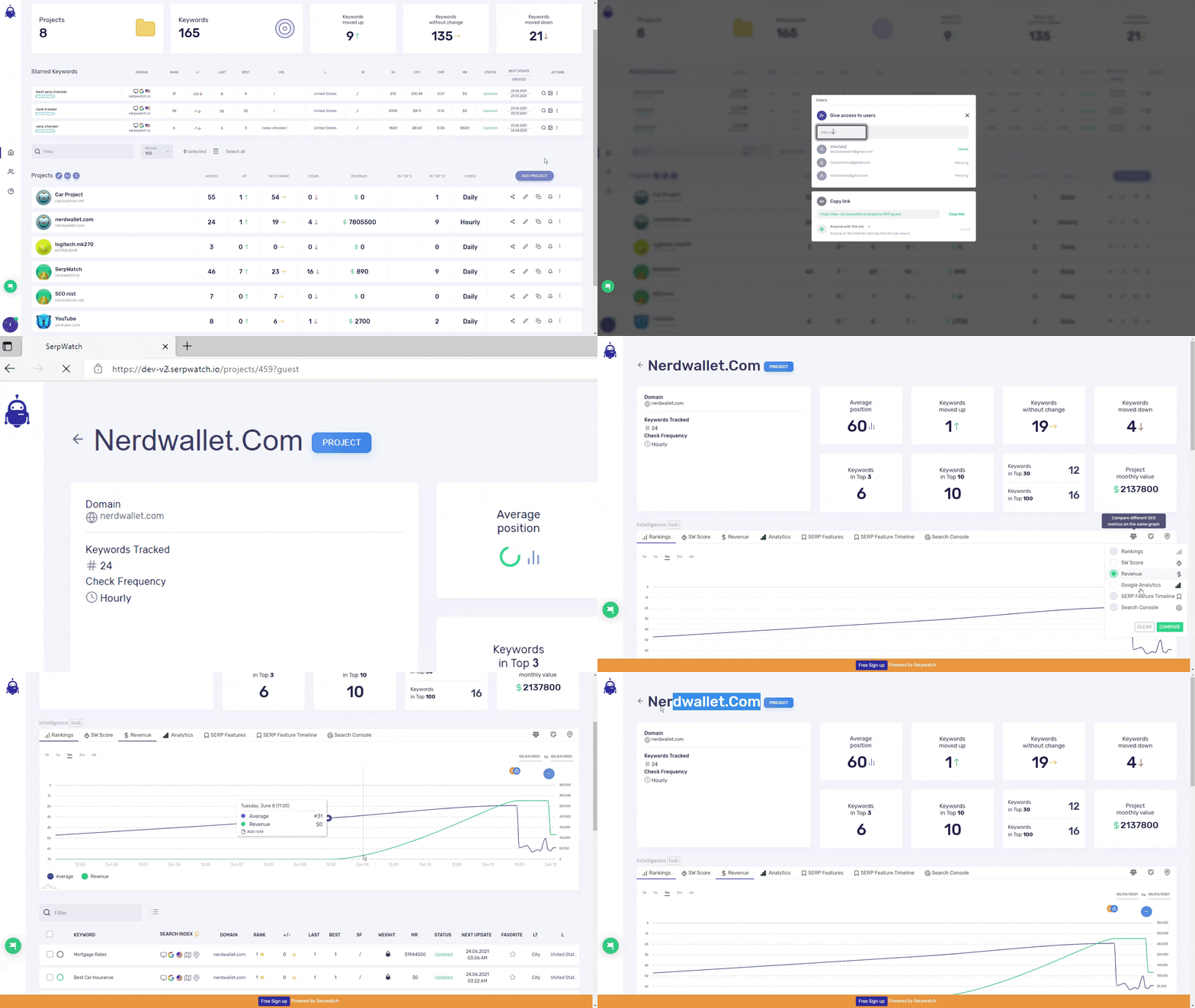
What Is a Domain Ranking Check and Why It Matters
A domain ranking check is a review of signals that show how strong your site looks to search engines. It blends link strength, trust signals, content depth, and how well pages satisfy search intent. The goal is to see where you stand today and how to beat rivals.
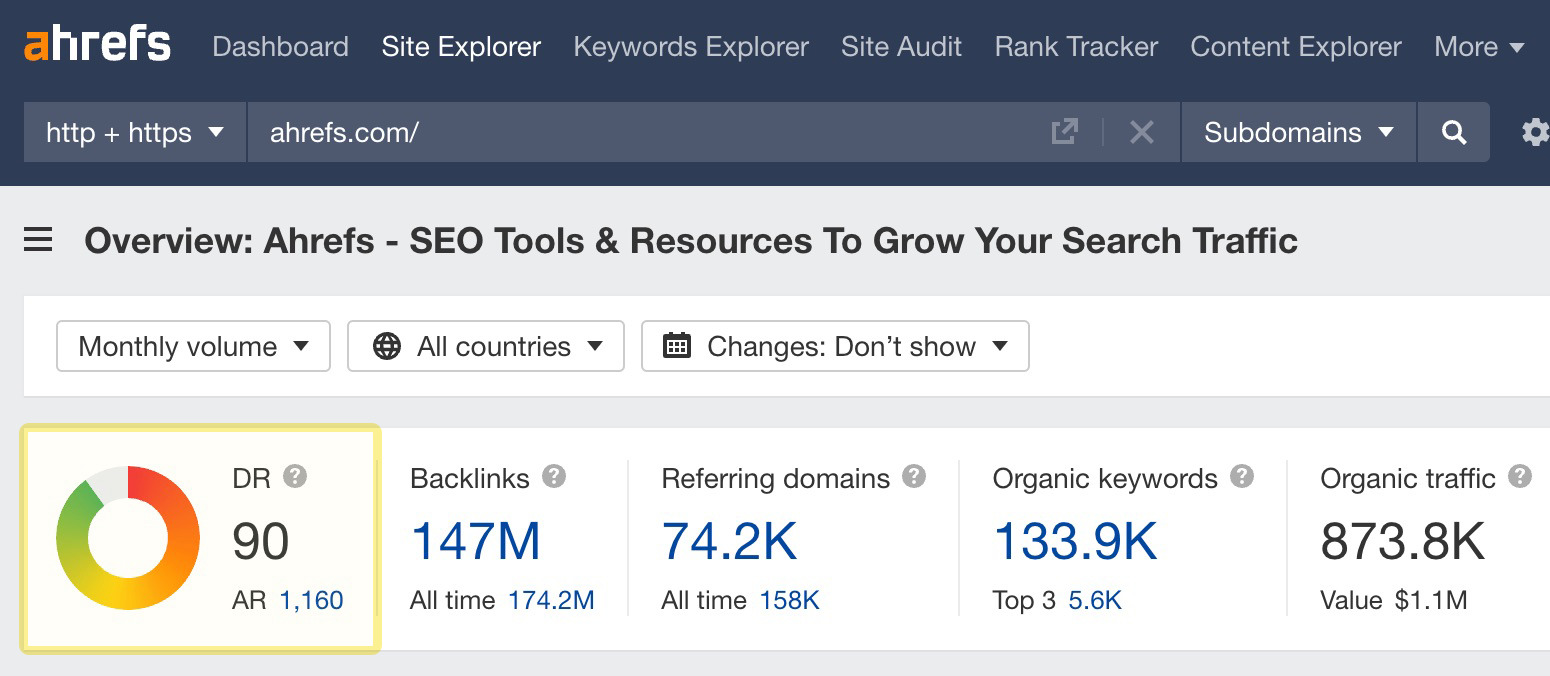
Platforms use different names for this. You will see domain authority, domain rating, and trust flow. The scales vary, but the idea is the same. A higher number often maps to better odds of ranking. A domain ranking check also covers organic traffic trends and keyword wins. Together, these show if your site has real reach.
This check matters because search is a race. Your rivals improve each week. A domain ranking check shows gaps you can close fast. It gives leaders a shared scorecard and keeps work aligned to impact.
Core Metrics You Should Track
A strong domain ranking check looks at more than one score. Review these key items:
- Link authority score This is the rollup score from your tool. Track it over time, not in isolation.
- Referring domains Count unique sites that link to you. Growth from real sites is a good signal.
- Backlink quality Look at relevance, placement, and natural anchors. Sitewide or paid links can harm trust.
- Topical relevance Do your links and content match your niche. Relevance beats raw volume.
- Spam risk Watch for toxic patterns. Remove or disavow only when you are sure.
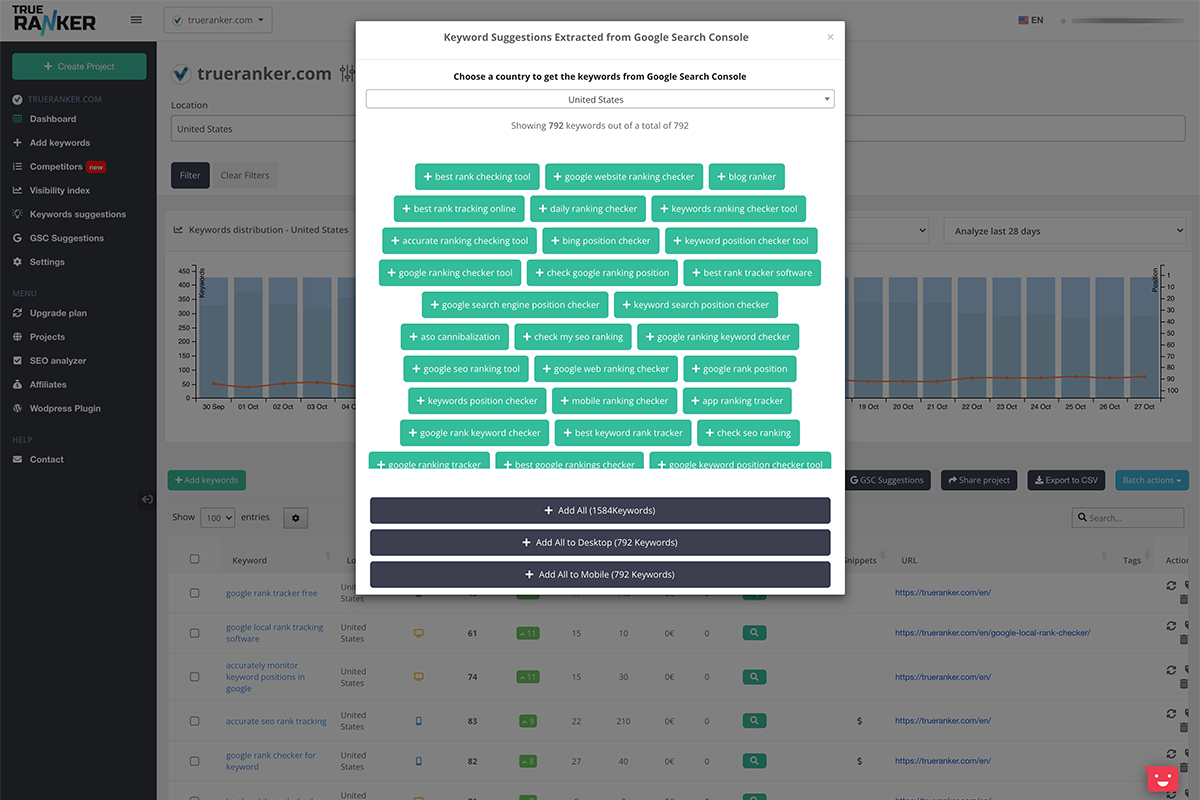
- Keyword rankings Track head terms and long tail. Note movement at page one.
- Organic traffic Watch branded and non branded traffic. Growth in non branded shows true reach.
- Index coverage Make sure key pages are crawled and indexed. Fix soft 404s and duplicates.
- Page performance Check Core Web Vitals, especially for key templates. Fast pages help users and bots.
Use the same tool set each month. That way your domain ranking check trend stays clean.
How to Run a Domain Ranking Check Step by Step
Use this simple workflow. It is the same one I use with clients.
- Set your baseline Choose one main tool for link metrics and one for rankings. Export current data.
- Map competitors Pick three direct rivals and two aspirational brands. Pull the same data for them.
- Audit links Group links by topic, page type, and quality. Flag toxic patterns and note gaps.
- Audit content List your top pages by traffic and links. Mark thin pages and overlap.
- Review tech health Crawl the site. Fix index traps, broken links, and slow pages.
- Check SERP features Note where rivals win featured snippets, People Also Ask, and local packs.
- Build a scorecard Create a one page view with core metrics. Use it for each domain ranking check.
- Set targets Define 90 day and 180 day goals. Tie tasks to owners and dates.
- Track weekly Use a shared dashboard. Log wins and losses. Adjust fast.
Run this domain ranking check each month. Keep the same cadence so trends are clear.
Interpreting Results: Benchmarks, Thresholds, and Reality Checks
Scores differ by tool, niche, and size. Treat them as guides, not truth. As a rule of thumb:
- New or small sites A low score is normal. Focus on relevance and content depth.
- Growing sites A mid score with steady link growth is healthy. Watch link quality and rankings.
- Large sites A high score should reflect strong content and brand mentions. Guard against link rot.
Look for patterns. If the score is flat but rankings rise, your content is doing work. If the score rises but traffic falls, links may be weak or off topic. A sound domain ranking check blends numbers with context.
One more tip. Compare your site to rivals in the same niche and region. Cross niche comparisons can mislead. Keep the lens tight and fair.

Practical Strategies to Improve Your Domain Ranking
Use these steps to lift results after your domain ranking check.
- Publish helpful content Create deep guides, original data, or how to pieces. Match search intent first.
- Earn quality links Pitch content with a clear hook. Aim for links within the body on relevant pages.
- Build topical clusters Group content by theme. Link hubs to spokes with clear anchor text.
- Improve internal links Add links from strong pages to key targets. Use simple, varied anchors.
- Fix technical basics Speed up templates, compress images, and clean up scripts. Secure the site and keep a tidy sitemap.
- Enhance E E A T Show who wrote the content, add bios, cite sources, and keep content fresh.
- Optimize for SERP features Mark up pages with structured data. Target questions for quick answers.
- Strengthen local signals If relevant, claim profiles, get local links, and keep NAP data exact.
Pick two or three moves per quarter. Tie each move to a metric in your domain ranking check.
Real-World Examples and Lessons Learned
A B2B site I worked on had a fair score but weak growth. The domain ranking check showed many links from off topic blogs. We cut those pitches, ran a data study, and earned ten links from trade sites. Rankings rose in six weeks on three core terms.
A local service brand had thin location pages. The domain ranking check flagged low relevance and slow maps pages. We built real city pages with photos, reviews, and FAQs. We also improved internal links. Calls grew by thirty percent within two months.
My biggest mistake early on was chasing raw link count. It looked good on the dashboard but did not move revenue. The fix was simple. Quality, intent, and user value first. Everything else follows.

Common Mistakes to Avoid During a Domain Ranking Check
- Chasing a single score Do not live by one metric. Use a basket to see the truth.
- Mixing tools for trends Use one tool for each metric set. Keep your baseline clean.
- Ignoring relevance A big link from an off topic site helps less than a small, relevant one.
- Over disavowing Remove links only when they are truly risky. Many odd links are harmless.
- Skipping user signals If users bounce, rankings slip. Improve content and speed before building more links.
- One time audits Make it a habit. A monthly domain ranking check beats a yearly scramble.

Advanced Tips and Workflows for Agencies and Teams
- Build a shared dashboard Track authority, referring domains, top pages, and key terms. Update weekly.
- Tag links by campaign Note outreach source, pitch angle, and result. Double down on what works.
- Use alerting Set alerts for lost links, status code changes, and ranking drops on prized pages.
- Automate reports Schedule exports and push to a sheet. Keep one snapshot per month.
- Run cohort tests Ship changes to a small set of pages first. Measure lift, then scale.
- Tie SEO to revenue Map keywords to products. Report wins in leads or sales, not just traffic.
This turns a domain ranking check into a repeatable system. It also keeps teams focused on outcomes.

Frequently Asked Questions of domain ranking check
What is a domain ranking check?
It is a review of scores and signals that show how strong your site looks to search engines. It covers links, relevance, content, and rankings.
How often should I run a domain ranking check?
Run it monthly for trends and weekly for key alerts. A steady cadence makes insights clear and reliable.
Which tool gives the best score?
No single tool is best for all cases. Pick one you trust, learn its limits, and track trends over time.
Does a higher score guarantee better rankings?
Not by itself. Helpful content, intent match, and page experience still drive real results.
Can a small site beat a big site?
Yes, in focused topics and local searches. Relevance, depth, and better answers can win.
Conclusion
A clear domain ranking check gives you a map and a compass. It shows where you stand, what to fix, and where to invest. Use one tool set, run the same checks, and tie tasks to clear goals.
Start today. Audit your links, improve one key page, and add two strong internal links. Keep score each month and share results with your team. If you want more guides like this, subscribe and join the conversation.
Leave a Reply