
To check PA and DA, use trusted SEO tools that measure link authority scores.
If you work in SEO or run a website, you must know how to check PA and DA the right way. I have audited hundreds of sites and thousands of links. In this guide, I will show you how to check pa and da, interpret the numbers, and use them to win better rankings without guesswork.

What Are PA and DA?
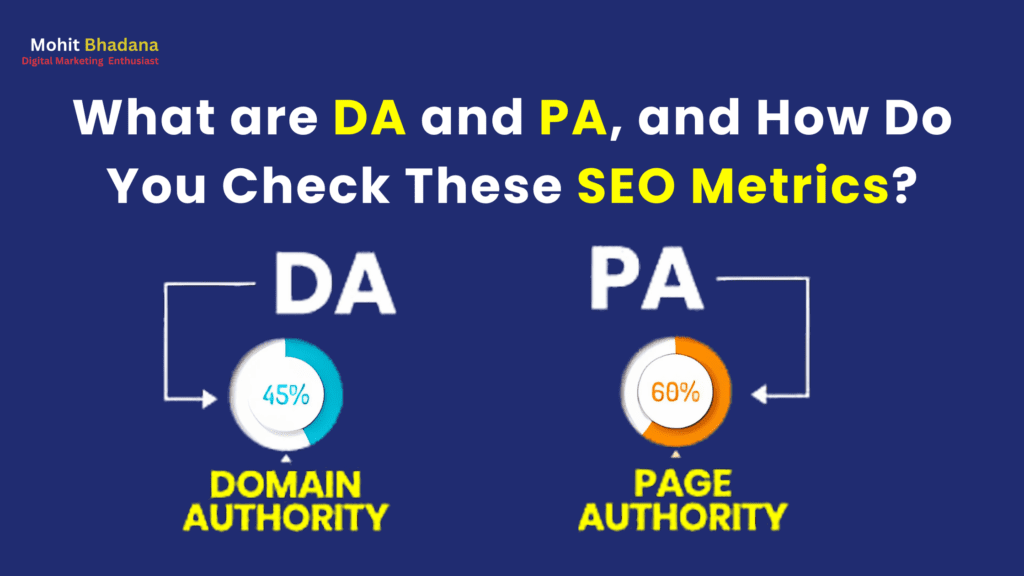
Page Authority (PA) and Domain Authority (DA) are third‑party metrics that estimate how likely a page or domain is to rank. Both run on a 0–100 scale, where higher usually signals stronger link equity. PA focuses on a single URL. DA looks at the entire domain or subdomain.
These scores are built using link data and machine learning. They use link quantity, link quality, and other signals to model ranking potential. They are not used by Google. But they often correlate with better visibility. Think of them like a weather report. They do not control the climate, but they help you plan your day.
When you check pa and da, treat them as directional. They shine in comparisons. A DA 60 site is usually stronger than a DA 10 site, all else equal. But a relevant DA 20 link can beat an off‑topic DA 80 link. Context is key.
Why Checking PA and DA Matters
Marketers check pa and da to pick better links, size up rivals, and plan content. These scores help you spot strong sites and pages fast. They cut noise when you vet outreach targets.
Use cases include:
- Link prospecting: Filter targets by DA and PA to focus on high‑value pages.
- Competitor gaps: Compare DA to see why rivals outrank you on key terms.
- Content strategy: Find pages with high PA. Reverse‑engineer why they win links.
- Risk checks: Very low DA sites with spammy patterns may be unsafe to pursue.
In my work, I ask one question before any outreach: Should we even pitch this site? I check pa and da to keep the team focused. We save hours by skipping weak or off‑topic sites up front. The result is cleaner link profiles and faster gains.

How to Check PA and DA Accurately
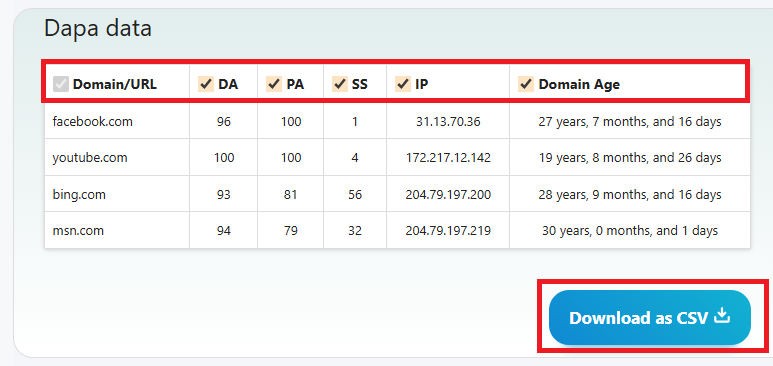
Many tools report PA and DA, sometimes from the original source or via their own link index. Numbers can differ across tools. That is normal. The size and freshness of each index varies.
To check pa and da with care, follow this simple process:
- Confirm the correct target: Use the canonical URL. Check http vs https and www vs non‑www.
- Distinguish levels: Decide if you need PA for a page or DA for the whole domain.
- Crawl depth: Make sure the tool crawls enough pages. Small samples skew scores.
- Update the cache: Some tools let you recrawl. Use it before final decisions.
- Check trends: Record PA and DA monthly. Look for steady movement, not one‑off spikes.
- Validate sources: Cross‑check with at least one more tool when deals are large.
- Combine with relevance: Vet topic match, traffic, and audience fit.
I also like to check pa and da with a browser extension while I browse. It speeds up vetting. For deeper work, I use a full crawler and export to a sheet. This gives a single view of DA, PA, referring domains, and anchor text.

How to Improve PA and DA
You cannot game these metrics for long. They rise when you earn better links and build trust. Focus on assets that attract links at scale.
Try these steps:
- Create linkable content: Data studies, tools, templates, and guides work well.
- Run digital PR: Pitch unique angles to writers and editors who cover your topic.
- Build internal links: Use clear anchor text to push equity to key pages.
- Fix technical issues: Resolve 404s, redirect chains, and slow pages. Equity must flow.
- Clean up spam: Disavow is a last resort. Start by removing toxic links if you can.
- Earn from communities: Niche sites, associations, and forums can be gold with the right fit.
Expect DA to move over months, not days. PA can rise faster when a page gets strong links. When you check pa and da after a campaign, look for PA gains on target pages first. DA often lags as more of the domain benefits.

Common Myths and Mistakes
Many pros still misuse these numbers. Here are traps to avoid when you check pa and da:
- Thinking DA is a Google metric: It is not. Use it as a model, not a rule.
- Chasing DA only: Relevance, traffic, and placement quality matter more than raw score.
- Ignoring page‑level strength: A DA 70 site with a weak PA 1 page may pass little value.
- Buying links based on DA: This invites risk and often yields poor results.
- Expecting instant changes: Authority moves with real links and time, not toggles.
A helpful mindset: DA and PA are compasses, not GPS. They show direction, not exact distance.

Real‑World Lessons From the Field
I once led a campaign for a B2B SaaS startup with DA 11. We targeted 50 mid‑tier industry blogs, DA 25–50, with tight topical match. We offered a small free tool and a data cut. Over eight weeks, we earned 38 live links. Key pages rose from PA 3 to PA 22–28. DA climbed to 24. Organic trials doubled in two months.
In a different case, a retailer chased only DA 70+ homepages. Most links were ads or user‑generated pages. Rankings stalled. We pivoted to relevant mid‑DA pages with strong PA and real editorial context. Within a quarter, 20 priority keywords moved to page one. The DA barely changed at first, but revenue did.
The lesson: When you check pa and da, tie the scores to business goals. Page fit and real users matter more than bragging rights.

Tools and Alternatives to PA and DA
DA and PA are not the only authority signals. Other platforms offer domain‑level and page‑level scores from their own link indexes. These often correlate with each other. None match Google’s internal view.
Practical tips:
- Use at least two sources: If both show a site is strong, confidence rises.
- Track one primary metric: Pick DA to stay consistent in dashboards.
- Map equivalents: Align DA with other tools’ scores so teams can compare.
- Look beyond scores: Check referring domains, topical trust, and traffic estimates.
When you check pa and da, treat them as your baseline. Then cross‑check with another metric for higher‑stakes choices.
A Simple Weekly Workflow to Check PA and DA
You do not need a large team to stay on top of this. A light weekly routine works well.
Try this cadence:
- Monday: Export new backlinks. Tag by source, page, and anchor.
- Tuesday: Check pa and da for new linking pages and the root domains.
- Wednesday: Prioritize outreach. Keep prospects with high topical fit and healthy PA.
- Thursday: Add internal links to new assets to boost early PA.
- Friday: Log changes to PA on target pages and note DA trendlines.
Do a deeper review once a month. Compare cohorts. Are links with higher PA lifting target pages faster? Adjust your outreach tags to favor what works.

KPIs, Reporting, and How to Tell a Clear Story
Clients and stakeholders want simple, honest reports. Scores help, but outcomes win hearts. Blend authority metrics with real business results.
Try this reporting stack:
- Leading indicators: New referring domains, average PA of linking pages, link velocity.
- Authority trend: Median PA of target pages, domain‑wide DA trend.
- Outcome metrics: Non‑brand clicks, rankings for target pages, assisted conversions.
When you check pa and da, mark big swings with notes. Did a major link land? Was a redirect fixed? Tie changes to actions. That builds trust.
Advanced Tips to Get More From PA and DA
A few small tweaks can unlock big gains.
Consider these moves:
- Target inner pages: Links to deep resources often carry higher PA and pass focused relevance.
- Refresh top performers: Update winning pages quarterly to keep links and PA growing.
- Use topic clusters: Link from support posts to your key page to compound page authority.
- Earn homepage links with care: A homepage link can raise DA, but only if it is editorial and relevant.
- Monitor anchor diversity: Mix branded, generic, and partial match anchors to stay natural.
Each quarter, review your best five links. Ask why they worked. Then scale that playbook. This is how you check pa and da with purpose, not just habit.
Frequently Asked Questions of check pa and da
What is the difference between PA and DA?
PA measures the strength of a single page. DA measures the strength of a whole domain or subdomain. Both use link data to estimate ranking potential.
Does Google use DA or PA in its algorithm?
No. These are third‑party models. They can correlate with rankings because links matter, but they are not Google signals.
How often should I check pa and da?
Weekly is fine for active campaigns. A monthly snapshot is enough for steady sites. Track trends over time rather than chasing daily swings.
What is a good DA or PA score?
It depends on your niche. In some niches, DA 30 is strong. In others, you may need 60+. Always compare against direct competitors.
Why do different tools show different PA and DA numbers?
Each tool has a unique link index and model. They crawl at different speeds and weigh links in different ways. Use one primary metric for consistency and cross‑check for confidence.
Can I improve DA without new backlinks?
Improving internal links and fixing technical issues can help. But real, high‑quality backlinks are the main driver of sustained DA growth.
Should I accept a guest post request based only on DA?
No. Check pa and da, but also review relevance, traffic, content quality, and editorial standards. A balanced view protects your brand and rankings.
Conclusion
Checking PA and DA is about clarity, not vanity. Use these scores to guide smarter outreach, sharpen your content plan, and track progress over time. Pair them with relevance and real user value to see steady, compounding results.
Start today. Pick three target pages, check pa and da for each, and set a 90‑day plan to earn five great links per page. Share your results, ask questions, and subscribe for more step‑by‑step SEO playbooks.
Leave a Reply