Better penmanship comes from proper grip, posture, drills, and consistent practice.
If you want to know how to get better penmanship, you are in the right place. I have coached students, professionals, and left-handed writers for years. We will cover the science, the tools, and the drills that work. You will get a clear plan you can follow today, backed by research and experience.
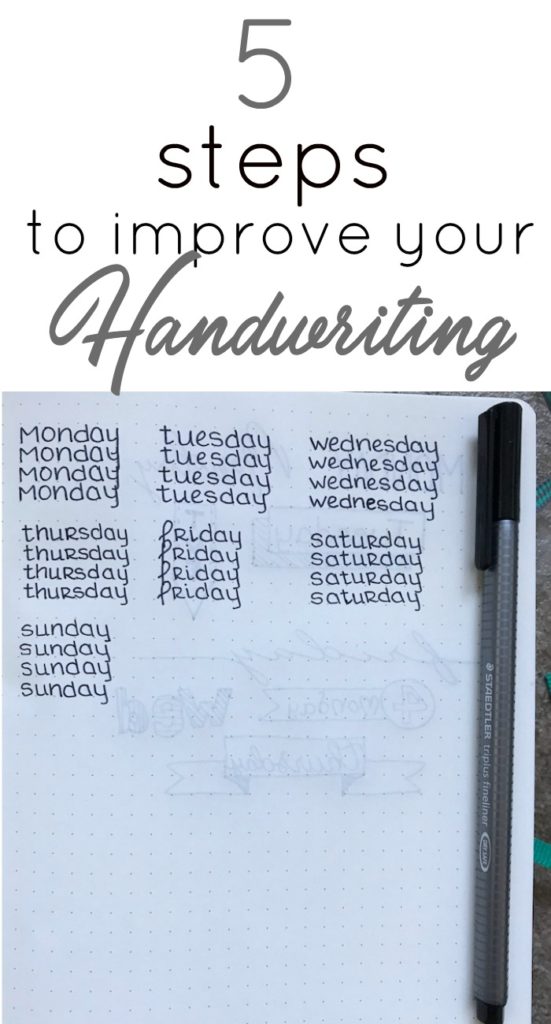
Understand What Good Handwriting Means
Good handwriting is not fancy. It is clear, even, and easy to read. If you want how to get better penmanship, focus on six parts: shape, size, slant, spacing, alignment, and pressure. That simple set gives you a roadmap.
Think of your letters like little houses. The baseline is the ground. The x-height is the wall height. Ascenders are the roof (like b, d, h), and descenders are the basement (like g, j, y). When these parts match across words, your writing looks calm and neat. Studies on legibility show that even spacing and steady size improve reading speed more than style.
If you ask how to get better penmanship fast, start by making each letter sit on the baseline and match the x-height. Keep your slant steady. Aim for light, smooth strokes. Your hand will thank you.

Set Up Your Writing Body Mechanics
If you seek how to get better penmanship, start with your body. Most problems come from tension and posture, not talent.
- Sit tall with both feet on the floor. Keep shoulders relaxed.
- Hold the pen with a loose tripod grip. Use thumb and index finger, with the pen resting on the middle finger.
- Tilt the paper about 20–30 degrees. Right-handers tilt left; left-handers tilt right.
- Move your forearm and shoulder for long strokes. Do not pinch and peck with fingers.
- Keep pressure light. Heavy pressure slows you down and makes letters shake.
Common mistakes to avoid:
- Gripping too tight. This creates cramps and jagged lines.
- Writing with the wrist alone. This reduces control.
- Straight paper for lefties. A tilt reduces smudges and awkward arm angles.

Choose Tools That Help
If you wonder how to get better penmanship with less stress, pick the right tools. The pen-paper match matters more than you think.
- Pens: Try gel or rollerball for smooth lines. Use fine (0.5 mm) for small letters. Use medium (0.7 mm) for bolder strokes.
- Pencils: HB or F are great for control. Softer grades (2B) feel smooth but smudge more.
- Fountain pens: Fine nibs offer light pressure and fluid strokes. Left-handers can use fast-dry ink to avoid smears.
- Paper: Use smooth, 80–100 gsm paper with guides. Dotted or lined sheets help spacing and alignment.
Test a few setups. Your best tool is the one that lets you write longer with less effort. That single choice can upgrade how to get better penmanship without extra work.
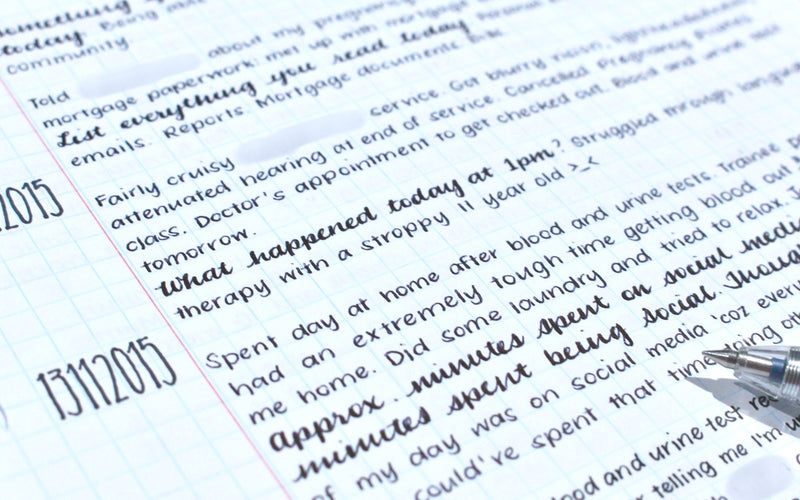
Build Letterforms the Smart Way
To master how to get better penmanship, build letters from simple strokes. Straight lines. Ovals. Under-curves and over-curves. Practice these first, then combine them.
Try this sequence:
- Warm up with lines, ovals, and loops. Fill one line for each drill.
- Draw your baseline and x-height. Keep them steady.
- Practice simple print letters first. Then add a slight tilt if you prefer.
- Group letters by shape families. For example: c, o, a, d, g, q share the same oval.
- Use slow, mindful strokes. Speed comes later.
Anchor tips:
- Start and end each stroke on the baseline.
- Keep your ovals closed. Open ovals look messy.
- Make tall letters the same height. Make tails the same depth.
A 15-Minute Daily Practice Plan
Consistency is the real secret to how to get better penmanship. Use this short plan. It works.
- Minute 1–3: Warm-up lines and ovals. Light pressure. Even pace.
- Minute 4–6: One letter family (like c, o, a). Fill two lines.
- Minute 7–9: Words with that family (cat, canal, cocoa). Keep size steady.
- Minute 10–12: Sentences. Copy any short quote. Aim for rhythm and spacing.
- Minute 13–15: Speed pass. Write the same sentence twice. First slow and neat. Second a bit faster, still clear.
Track your pages by date. Compare each week. You will see how to get better penmanship through small, steady gains.

Spacing, Alignment, and Layout
Even spacing is half the battle. Research on legibility shows that steady gaps between letters and words help readers most.
- Letter spacing: Keep tiny equal gaps between letters.
- Word spacing: Leave a gap about the width of a lowercase n.
- Line spacing: Leave a full line between rows when you practice.
- Margins and guides: Use margins to keep lines straight and tidy.
- Draw a dotted baseline and x-height. Keep all letters between them.
- Write a whole line of n n n and a a a to steady rhythm.
- Write a page of short words and point-check the spaces.
A tidy layout makes how to get better penmanship feel natural and repeatable.

Speed, Rhythm, and Flow
Neat writing starts slow. Good writing stays smooth as you speed up. If you rush early, shape collapses.
- Breathe and relax your grip. Shake out your hand every few minutes.
- Use your shoulder and forearm for longer strokes. This builds flow.
- Write to a slow count. One-two for ovals. One for short lines.
- Only increase speed when shapes stay steady at slow pace.
A gentle rhythm improves how to get better penmanship more than any fancy pen. Smooth beats fast.
Style: Print, Cursive, Italic, or a Clean Hybrid
Pick one style for 30 days. A single model speeds how to get better penmanship.
- Print: Clear and simple. Great for forms and notes.
- Cursive: Fast once you learn joins. Choose a simple script.
- Italic: Clean slant, easy joins, and strong legibility. Good for both speed and looks.
- Hybrid: Print with simple joins. Many professionals use this for clarity.
Choose a model sheet with baseline, x-height, and slant guides. Practice letter groups, common joins, and numbers. Numbers matter on forms and logs.

Fix Common Problems
If you are stuck on how to get better penmanship, troubleshoot one issue at a time.
- Shaky lines: Slow down. Use larger letters for a week. Train the shoulder.
- Heavy pressure: Use a slick pen. Tell yourself “feather touch” each line.
- Slant drift: Use a slanted guide sheet under the paper.
- Size wobble: Draw light x-height lines. Say “same size” as you write.
- Smudging: Use fast-dry ink and tilt the paper. Left-handers, write below the line.
Small fixes compound. One good habit can clean a whole page.
Keep Motivated and Track Progress
Motivation is a system, not a mood. Systems help how to get better penmanship stick.
- Take a weekly sample: one paragraph copied at your best pace.
- Use before-and-after photos. Visual proof boosts momentum.
- Make it a habit stack: practice right after morning coffee.
- Reward small wins: new pen or notebook after two good weeks.
From my coaching, the biggest leap happens after day 21. That is when posture, pressure, and spacing start to lock in.
Advanced Tips from a Professional Scribe
Over the years, I learned a few rules that never fail. They can speed how to get better penmanship for you too.
- Write larger during practice. Shrink later. Big letters reveal errors.
- Focus on the exit stroke. Clean exits make clean joins and next letters.
- Use copywork with varied letters. Pangrams are fun and balanced.
- Practice names, numbers, and email addresses. Real-life lines matter most.
- Record one-minute speed tests. Track words per minute and legibility.
My own breakthrough came when I stopped forcing speed. I wrote slow, feather-light, and on guides for a month. Then speed rose on its own while shapes stayed clean.
Frequently Asked Questions of how to get better penmanship
How long does it take to see results?
Most people see clear gains in two to three weeks with daily practice. Strong, lasting change often appears by week six.
What is the best pen for better handwriting?
Use a smooth gel or rollerball with a fine tip. Pick the one that lets you write with light pressure and no skips.
Should I learn cursive or stick with print?
Pick the style that fits your needs. Print is very clear; a simple cursive or italic can be faster after practice.
How can left-handed writers avoid smudging?
Tilt the paper to the right, keep the hand below the line, and use fast-dry ink. Fine tips also reduce smears.
Do handwriting apps and tablets help?
Yes, if you use them for drills with guides and slow practice. Still, real paper builds pressure control and flow.
How big should my letters be when practicing?
Use a larger x-height at first, about 8–10 mm. Shrink to 5–6 mm once shapes are steady.
Can adults really improve handwriting?
Yes. Motor learning works at any age with focused, regular practice. The key is short, daily sessions.
Conclusion
Better handwriting is a set of small, repeatable habits. Use a relaxed grip, clear guides, steady spacing, and a simple practice plan. Keep it light, slow, and consistent.
Start today with a 15-minute session. Follow the drills, track a weekly sample, and watch your pages improve. If this guide helped, subscribe for more tips, share your progress, or leave a comment with your questions.
Leave a Reply