
Good dedicated server hosting means dedicated hardware for your site, full control, and steady speed.
If you need power, privacy, and zero noisy neighbors, this guide is for you. I work hands-on with infrastructure and have moved dozens of apps to good dedicated server hosting. Here, you will learn how it works, why it wins for certain workloads, and how to pick the right provider without guesswork. Read on for clear steps, real stories, and tested best practices tailored to good dedicated server hosting.
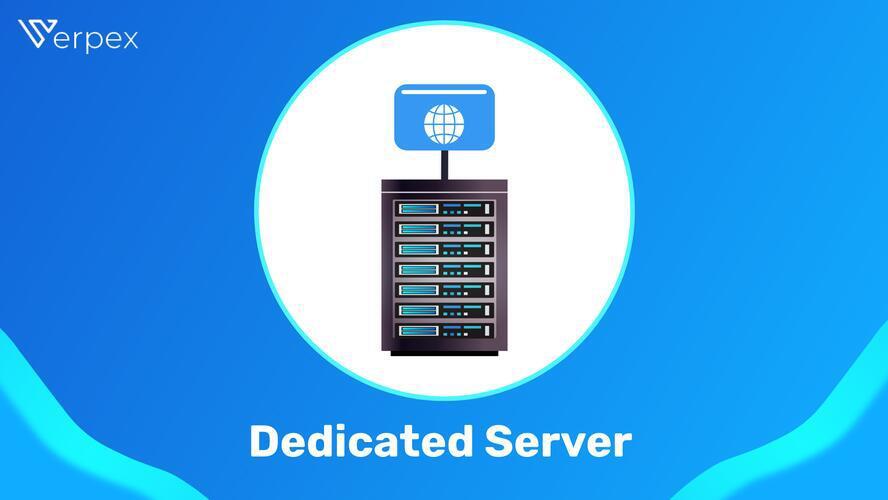
What is good dedicated server hosting?
Good dedicated server hosting gives you a whole physical server for your use only. No shared CPU. No shared RAM. No shared disk. You get consistent performance and deep control over the stack.
Unlike shared or VPS, you run on single-tenant hardware. That means stable latency and predictable throughput. You can tune the kernel, choose the file system, and set security rules your way. For steady, heavy workloads, good dedicated server hosting is often the right call.
Cloud works well for spiky loads. But physical isolation brings strong security and compliance benefits. If you need audit-ready control and long-term cost stability, good dedicated server hosting is a strong fit.

Key benefits and use cases
Good dedicated server hosting shines when you need speed, control, and trust. It fits apps that must run fast all day, every day.
Top benefits:
- Performance at scale. Dedicated CPU cores, RAM, and NVMe storage deliver steady results.
- Isolation and security. Single-tenant hardware reduces risk from other tenants.
- Compliance. Easier control for PCI DSS, HIPAA, and SOC 2 needs.
- Predictable costs. Fixed monthly bills help with planning.
- Deep customization. Choose OS, RAID, kernel, and network design.
Common use cases:
- High-traffic ecommerce, with large carts and many writes.
- Large databases, such as PostgreSQL or MySQL with strict latency needs.
- Video streaming and VOD with heavy disk I/O.
- Game servers that demand low latency and stable packets.
- Adtech, fintech, and healthcare apps with strict data rules.
- AI/ML inference where GPU access and predictable cost matter.

When to choose dedicated over cloud or VPS
Pick good dedicated server hosting when you need strong, steady performance and full control. It is also helpful when your load stays high and flat.
Choose dedicated when:
- You run steady workloads with high CPU, RAM, or disk use.
- You must isolate data and reduce multi-tenant risk.
- You want stable, monthly pricing and fewer surprise bills.
- You need custom hardware, such as NVMe RAID or GPUs.
- You need high network throughput with lower jitter.
Cloud or VPS can be better when:
- Your traffic spikes often and you scale up and down.
- You test new ideas and want quick spin-up and tear-down.
- You need many managed services and deep cloud-native tools.

How to evaluate providers
Not all providers are equal. Focus on network quality, hardware, and support.
What to check:
- Data centers and network. Look for diverse carriers, peering, and route optimization. Request a looking glass to test latency.
- Uptime and SLA. Aim for at least 99.9% with clear credits.
- Hardware. Choose latest-gen CPUs (AMD EPYC or Intel Xeon), ECC RAM, and NVMe. Verify IPMI or out-of-band access.
- Storage. Use RAID with NVMe for speed and safety. RAID 10 is a solid default.
- Security. Ask about DDoS protection, WAF options, and physical security.
- Support. 24/7 help, ticket SLAs, and remote hands can save your night.
- Trials and benchmarks. Run fio and ioping for disk, and iperf3 for network tests.
A strong provider will be open about hardware specs and network paths. They will share clear test methods. This is a good sign for good dedicated server hosting done right.

Must-have features checklist
Use this list when shortlisting vendors for good dedicated server hosting.
- Hardware and access. IPMI or iDRAC, ECC RAM, and hot-swap drives.
- Storage. NVMe, hardware RAID, battery-backed cache.
- Network. 10 Gbps uplink options, IPv4 and IPv6, private VLAN.
- Security. DDoS protection, firewall options, two-factor for portals.
- OS and tools. Popular Linux flavors, Windows Server, automation via API.
- Backups. Offsite backups, snapshots, and quick restores.
- IP management. rDNS control and clean IP reputation.
- Monitoring. Built-in graphs and alerting, or API export to your stack.
- Contracts. Clear exit terms, setup fees, and parts replacement SLAs.

Performance tuning and architecture best practices
Good dedicated server hosting lets you tune every layer. Small changes can bring big gains.
Practical tips:
- Linux tuning. Set CPU governor to performance. Tune sysctl for net.core and net.ipv4 TCP buffers.
- Filesystem. Use XFS or ext4 for general workloads. Align RAID stripe and file system.
- Web stack. Use Nginx with HTTP/2 and TLS 1.3. Keep PHP-FPM and Node processes pinned to cores.
- Database. Size the buffer pool or shared buffers to fit memory. Keep working sets in RAM.
- Caching. Add Redis or Memcached to reduce database hits. Use a CDN for static assets.
A quick story from my work: We moved a busy store to good dedicated server hosting with dual EPYC, 256 GB RAM, and NVMe RAID 10. By tuning Nginx, adding Redis, and fixing kernel IRQ balance, we cut p95 latency by 48%. The hardware was fast, but the gains came from small, careful tweaks.

Security, compliance, and trust
Security is not a one-off task. It is a habit and a plan.
Core controls:
- Access. SSH keys only, disable root login, and use two-factor.
- Patch. Keep OS and kernel updated. Use unattended upgrades with care.
- Protect. Use a WAF, EDR on servers, and DDoS shields at the edge.
- Encrypt. Use full-disk encryption when required. Encrypt data in transit and at rest.
- Log and watch. Centralize logs. Send to a SIEM. Alert on changes and auth events.
- Audits. Map controls to PCI DSS, HIPAA, ISO 27001, or SOC 2 if needed.
For good dedicated server hosting, ask the provider about camera coverage, badge rules, and visitor logs. Also ask how they handle drive disposal and media destruction.

Real-world case studies and personal insights
Story 1: An adtech API needed stable p95 under 100 ms. Cloud costs grew with bursty egress fees. We moved to good dedicated server hosting with two NVMe nodes and a private VLAN. With local caching and tuned TCP, p95 fell to 72 ms, and monthly cost dropped by a third.
Story 2: A news site crashed during election night. A quick swap to bigger VPS nodes did not help. We switched to a single, strong dedicated server with NVMe and a CDN. The site held 5x traffic with stable load and no packet loss.

Pricing models and budgeting
Plan for total cost, not just the monthly line. Good dedicated server hosting is clear, but details add up.
Watch these items:
- Monthly fee. Hardware, port speed, and data center location.
- Setup fees. Some deals waive setup. Others do not.
- Bandwidth. Know your commit and overage rates.
- IPs. Extra IPv4 blocks often cost more.
- Licenses. cPanel, Windows Server, and database licenses can add a lot.
- Support. Remote hands and managed add-ons change the math.
A simple rule: if your CPU and disk are busy most of the time, dedicated often beats cloud on cost over 6 to 12 months.
Migration plan and checklist
A clean move lowers risk. Follow a calm, step-by-step plan.
Steps:
- Audit. List services, ports, cron jobs, and secrets.
- Stage. Build your new server. Match OS, packages, and versions.
- Sync data. Use rsync for files and logical or physical replication for databases.
- Test. Run load tests and health checks on staging.
- Cutover. Lower DNS TTL, schedule a window, and flip traffic.
- Verify. Check logs, metrics, and error rates.
- Rollback plan. Keep old server in sync until you confirm success.
For good dedicated server hosting, test network routes before cutover. Check peering from your key regions.
Common mistakes to avoid
Many issues repeat. Avoid these traps with good dedicated server hosting.
- No backups. Have offsite backups and test restores.
- Single point of failure. Add hot spares or a second node for critical apps.
- Weak security. Use SSH keys, patch often, and restrict ports.
- Ignored IP reputation. Warm up new IPs for email. Check blocklists.
- No monitoring. Track CPU, disk I/O, network, and error rates from day one.
Monitoring, SLAs, and incident response
You cannot fix what you do not see. Build a clear health picture.
Focus on:
- Metrics. CPU steal time, iowait, disk latency, packet loss, p95 latency.
- Uptime. Match SLA goals with probes from many regions.
- Alerts. Tie alerts to business impact, not noise.
- Backups and recovery. Set RPO and RTO, and test them.
- Incident playbooks. Define who does what, how to escalate, and how to run postmortems.
Good dedicated server hosting helps here by giving you full OS access and stable baselines. That makes issues simpler to trace and solve.
Alternatives and when not to use dedicated
Dedicated is not a fit for every case. If you need instant scale or many managed services, cloud or serverless may win.
Consider:
- Serverless for spiky, event-driven apps.
- Managed Kubernetes for microservices that must auto-scale.
- VPS for small sites and low budgets.
- Cloud bare metal if you want fast provisioning with hourly billing.
If your load is tiny or random, good dedicated server hosting may be more than you need. Keep it simple when you can.
Frequently Asked Questions of good dedicated server hosting
What makes good dedicated server hosting different from VPS?
You get an entire physical server to yourself. That means stable performance and deep control over hardware and software.
Is managed or unmanaged better for me?
Managed is great if you lack time or skills to maintain servers. Unmanaged costs less but needs in-house expertise.
How long does setup take?
Stock servers can be ready in a few hours. Custom builds or special RAID layouts may take one to two days.
Do I need RAID on a dedicated server?
Yes, for most cases. RAID 10 balances speed and safety and reduces downtime risks from drive failure.
How do I test a provider’s network?
Ask for a looking glass and run traceroute, ping, and iperf3 from your regions. Aim for low jitter and stable latency.
Can I run GPUs on good dedicated server hosting?
Yes, many providers offer NVIDIA GPUs. Check power, cooling, and driver support before you order.
What about DDoS protection?
Look for built-in DDoS scrubbing and clear policies. Ensure alerts and mitigation thresholds match your traffic.
Conclusion
Good dedicated server hosting gives you steady speed, full control, and clear costs. It fits apps that need strong I/O, constant CPU, and strict security. With the right provider, tuned stack, and solid backups, you can serve users faster and sleep better.
Take the next step today. Map your needs, shortlist two to three vendors, and run simple benchmarks. If this guide helped, subscribe for more deep dives, or leave a comment with your use case and questions.
Leave a Reply