
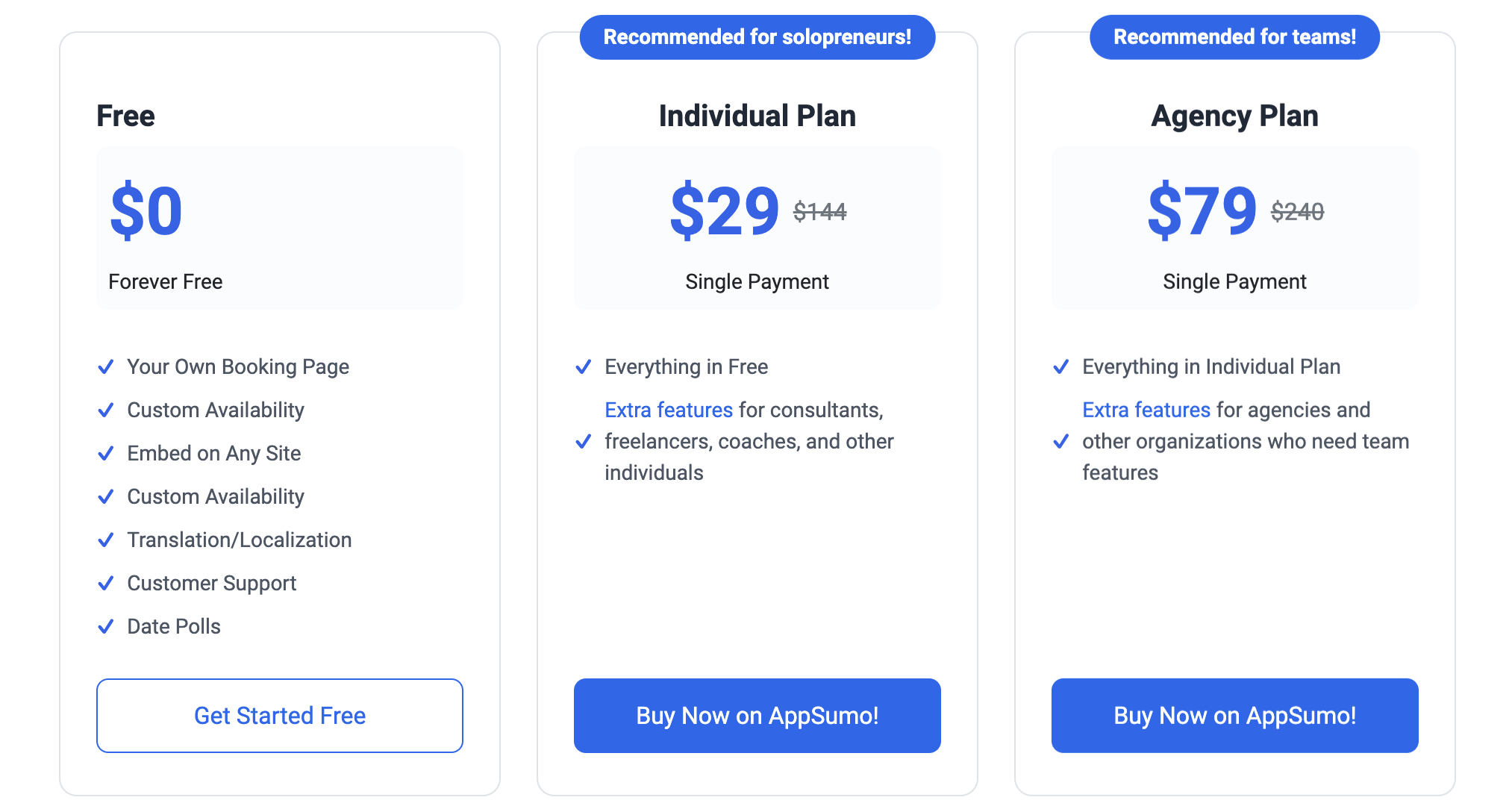
TidyCal pricing is simple: Free plan or $29 lifetime Pro per user.
If you want a clear, no-nonsense look at tidycal pricing, you’re in the right place. I’ve set up TidyCal for teams, coaches, and agencies. In this guide, I break down costs, features, and real value so you can pick the right plan with confidence.

TidyCal pricing at a glance
TidyCal keeps it simple. There is a Free plan with core booking tools. The Pro plan is a one-time $29 lifetime purchase per user. No monthly fee. No surprises for that seat.
You can add more users by buying more seats. Each seat is one lifetime code. Taxes can apply based on your location. Payments are in USD. A standard 60-day refund window is common on the marketplace that sells TidyCal.
Prices can change. Check the official page before you buy. Still, tidycal pricing has stayed very friendly for years.

Free vs Pro: what you actually get
The Free plan works for basic scheduling. It suits solo users who need simple booking links.
What you get on Free:
- One user seat with a personal booking link
- Basic event types and time slots
- Email confirmations and reminders
- Google and Microsoft calendar sync for core needs
What Pro adds for a one-time $29 per user:
- More customization and branding options
- Payments with Stripe or PayPal for paid meetings
- Advanced integrations and workflows
- Group and team booking features in supported setups
- Extra calendar connections and finer controls
- Priority features as the product evolves
From my setups, Pro pays off fast. If you charge for time, Pro is a must. If you book many calls, Pro tools save hours each month. That is where tidycal pricing shines.
Note: Features can change as the tool grows. Check the current feature list before you decide.
Real-world costs and value
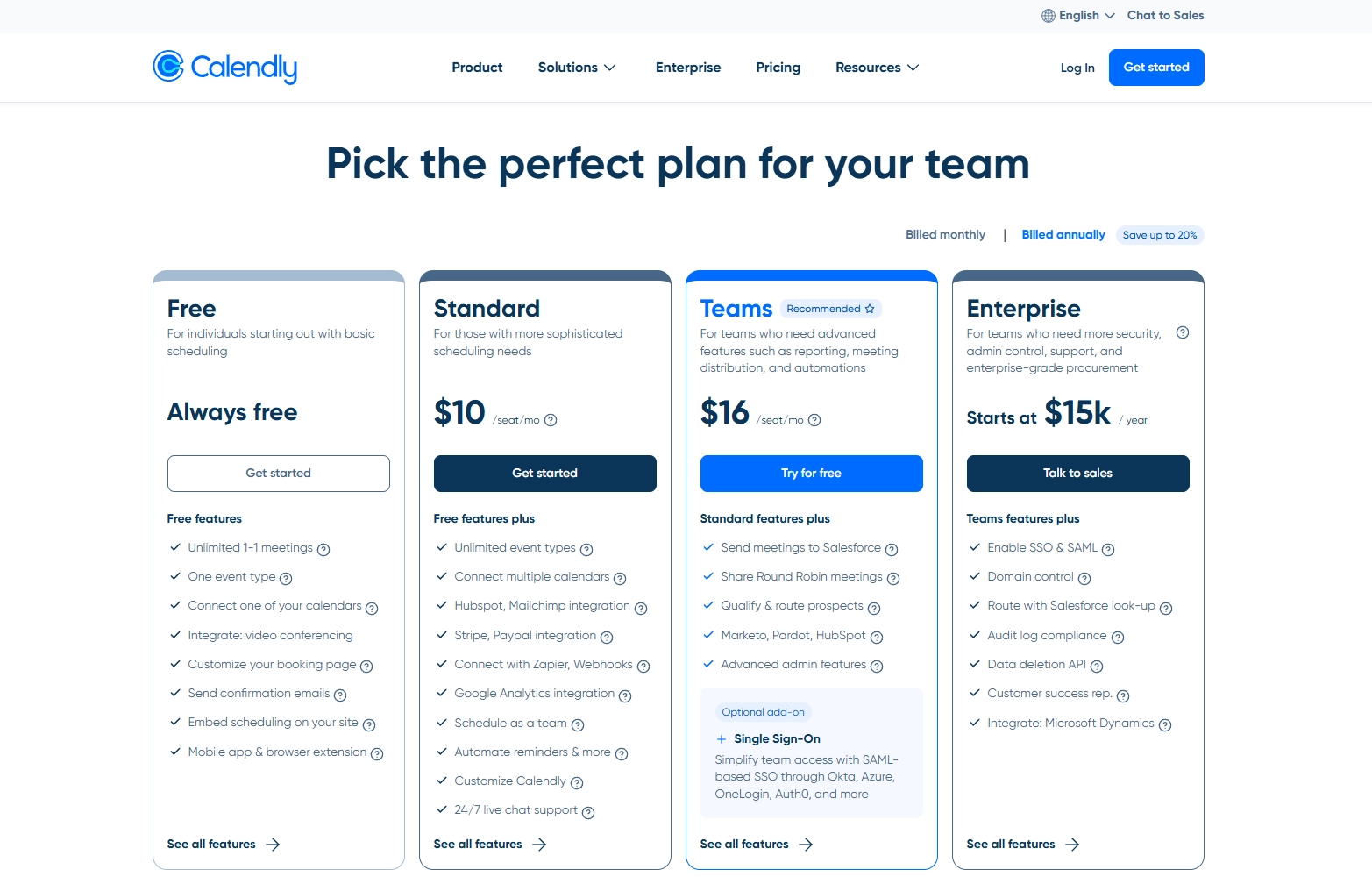
Let’s do a simple test. Many rivals charge $8 to $20 per month per user. Over a year, that is $96 to $240. TidyCal Pro is $29 once. The payback can be a few weeks.
Now think about time saved. Fewer back-and-forth emails. Clean buffers. Smart time zones. One missed no-show can cost you more than the Pro price. That is why tidycal pricing feels like a bargain.
For teams, seats scale well. Buy a seat for each user who needs a calendar. You still avoid monthly fees. Your finance team will love the one-time cost.
How tidycal pricing compares to rivals
I often compare tools for clients. Here is the high-level view.
- Calendly: Free plan plus paid tiers per user per month. Great polish. Costs rise with teams.
- SavvyCal: Premium UX with paid monthly tiers. Strong links and meeting polls.
- Cal.com: Open-source core with paid hosting and add-ons. Deep customization for technical teams.
- Google Calendar appointment scheduling: Free for basics. Limited branding and workflows.
TidyCal wins on price for most solo users and small teams. The lifetime model is hard to beat. If you need deep routing, advanced analytics, or enterprise controls, check rivals. But for most, tidycal pricing gives the best value per seat.
Who should choose which TidyCal plan
Pick the Free plan if:
- You are testing online scheduling for the first time
- You do few calls and do not charge for time
- You want a quick link with minimal setup
Pick the Pro plan if:
- You sell sessions and need Stripe or PayPal
- You want brand control and better workflows
- You need group or team bookings and extra calendars
- You value a one-time cost with no renewals
My rule of thumb: if your time is billable, go Pro on day one. The tidycal pricing model means you pay once and move on.

Tips to save money and avoid surprises
TidyCal is simple, yet a few tips help you save more.
- Buy the exact number of seats you need. One seat equals one user.
- Start with one Pro seat. Add more as your team grows.
- Use buffers and limits to prevent overbooking and refunds.
- Collect payments up front for paid sessions. It cuts no-shows.
- Automate reminders and follow-ups. Reduce churn without extra tools.
- Check taxes and invoice details before you buy. Keep finance happy.
- Use the refund window if it is not a fit. Test risk-free.
These small moves make tidycal pricing work even harder for you.

Setup examples from my practice
Coaching business
I set up TidyCal Pro for a life coach. We added paid 60-minute and 30-minute sessions with Stripe. We used buffers and custom questions. Within a week, bookings felt smooth. The one-time fee made it easy to approve.
Small agency
I rolled out Pro seats for three consultants. Each got a unique link and calendar. We used group sessions for workshops. We also connected Zoom. The team liked the clean booking page. Finance liked the fixed cost. tidycal pricing fit both sides.

Frequently Asked Questions of tidycal pricing
Is TidyCal really $29 for life?
Yes, the Pro plan is a one-time $29 per user, as listed at the time of writing. Prices can change, so confirm on the official page before you buy.
Does TidyCal have a monthly plan?
No, TidyCal is best known for a lifetime model. You pay once per user instead of a monthly fee.
How many users are included at $29?
One code equals one user seat. For more users, buy more seats.
What key features are only in Pro?
Pro adds payments, more branding, and advanced integrations. It also supports more event types and team features where available.
Are there transaction fees for payments?
Payment processors charge their own fees. TidyCal itself does not add extra fees on top.
Can I upgrade from Free to Pro later?
Yes, you can upgrade at any time by buying a Pro seat. Your events and links carry over after upgrade.
Is there a refund policy?
A 60-day refund window is common on the marketplace that sells TidyCal. Check the current terms at purchase time.
Will tidycal pricing change in the future?
It could. The current model is stable, but always review the latest pricing page.
Conclusion
TidyCal keeps scheduling simple and affordable. The Free plan covers basics, while the $29 lifetime Pro plan unlocks the tools most people need. When you compare long-term costs, tidycal pricing stands out for solo users and small teams.
If you value time, act now. Pick the plan that fits your work and set up your first booking link today. Want more practical guides like this? Subscribe, share your questions, or leave a comment with your use case.
Leave a Reply