
google search trend shows what people search now, helping you spot demand fast.
If you want to understand real-time interest, consumer intent, and market shifts, tracking the google search trend is your best move. I have used it for SEO, content, and product planning across fast-moving niches. In this guide, I will show you how to read, analyze, and apply the google search trend to make smarter decisions and win attention.
Understanding the google search trend
The google search trend is an index of interest over time from Google’s search data. It shows relative popularity on a 0 to 100 scale, not raw search volumes. You can compare topics, filter by region, time, and category, and spot rising queries fast.
Data is normalized and sampled to protect privacy. A value of 100 marks the peak interest for your selected range. A 0 does not mean no searches; it means interest is near the lowest observed for that set. This is why you should pair the google search trend with other tools to see real volume.
Key terms you will see often:
- Search term vs topic. A term is a keyword. A topic groups many terms and languages.
- Rising vs top queries. Rising shows growth speed. Top shows steady leaders.
- Breakout. A rising query growing over 5000%, often a new or news-driven term.
Reading trend charts like an analyst
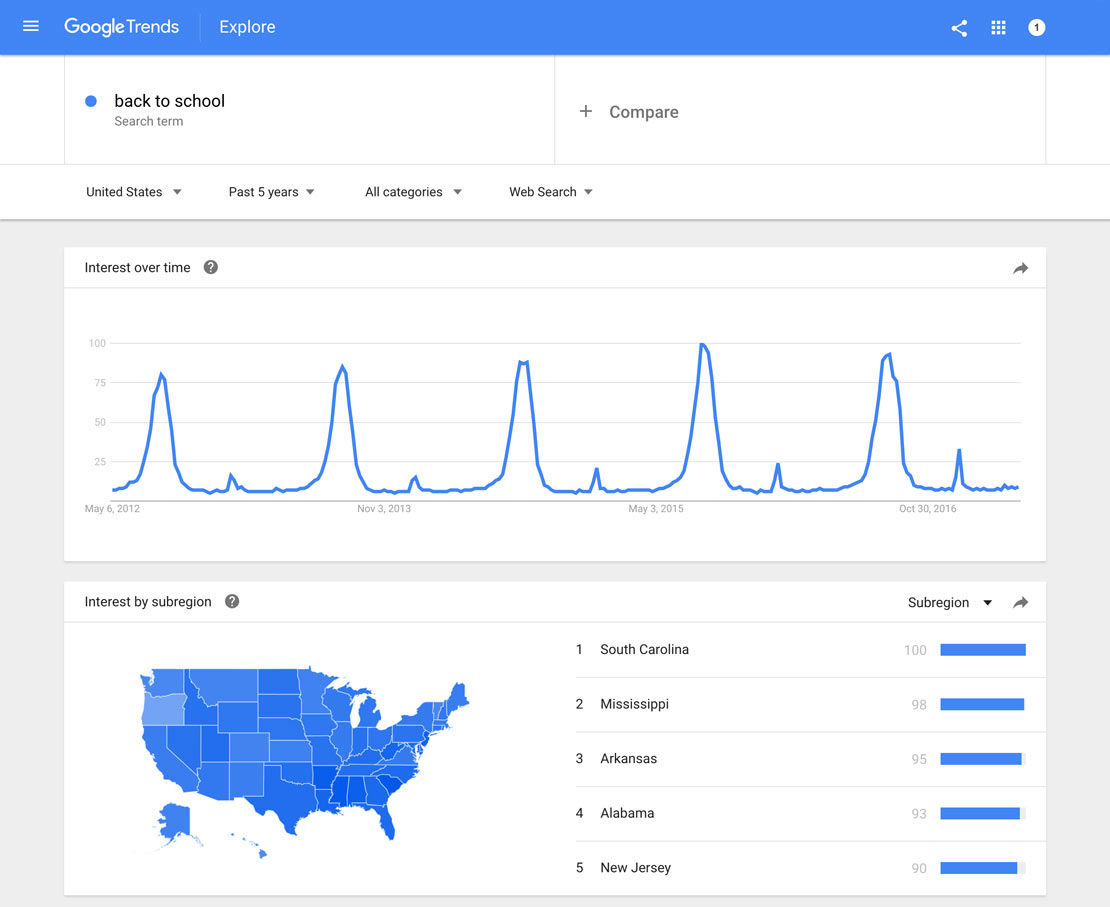
A clean chart tells a story. Your job is to read it well. Look for peaks, valleys, and plateaus. Compare similar terms to find which one wins demand and when.
Use these checks every time:
- Time windows. Test 90 days, 12 months, and 5 years to see short and long cycles.
- Geography. Compare countries and states to see where interest starts first.
- Category filter. Narrow context to avoid noise when a word has many meanings.
- Related queries. Mine ideas you did not expect, then validate with other data.
I once tracked the google search trend for “standing desk.” The five-year view showed steady growth with spikes in January. That helped a client time promotions and content for New Year goals. Organic traffic rose as we aligned publishing with the trend’s curve.

Using the google search trend for SEO
SEO needs timing, language, and intent. The google search trend helps with all three. It shows which words people prefer and when they want them. It also guides which topics deserve hubs and which need quick posts.
Try this process:
- Map seasons. Export data and mark recurring peaks for key terms.
- Compare synonyms. Choose the winner between near terms like “near me” vs “closest.”
- Build content hubs. Use related topics to cluster pages around one theme.
- Create freshness. When a spike starts, publish updates and short news posts.
- Align metadata. Use the top variant in titles if it wins in the google search trend.
Pro tip from my work: compare “why” vs “how” queries in your niche. If “how” spikes during product launches, prepare tutorials and checklists. If “why” grows during early research, ship explainer pages first.
Content ideas from the google search trend
Great content meets the moment. The google search trend surfaces the moment for you. Use it to plan timely posts, videos, and social threads.
Fast idea paths:
- Rising queries. Convert them into headlines and FAQs immediately.
- Breakouts. Write short primers and glossaries to catch early interest.
- Local interest. Tailor examples and offers to the top states or cities.
- Time-based formats. If Monday spikes for a term, publish on Sunday night.
A travel client saw a “pet-friendly hotels” upswing before a long weekend. We used the google search trend to build a short guide with maps and booking tips. It ranked fast because it matched intent and timing.
Market research and product planning
You can validate demand with the google search trend before you build. It reduces risk. It also reveals substitutes and new use cases as they emerge.
Use it like this:
- Compare product features. See which features drive interest this quarter.
- Track competitors. Compare brand terms to watch share of search over time.
- Identify early markets. Filter by region to see where to launch first.
- Price and packaging cues. Rising queries like “best budget” or “premium” hint at positioning.
I used the google search trend to test a course idea. The five-year curve was flat, but a related topic showed strong growth. I pivoted the scope. The launch succeeded because we matched real demand, not a hunch.
Real-time monitoring and newsjacking
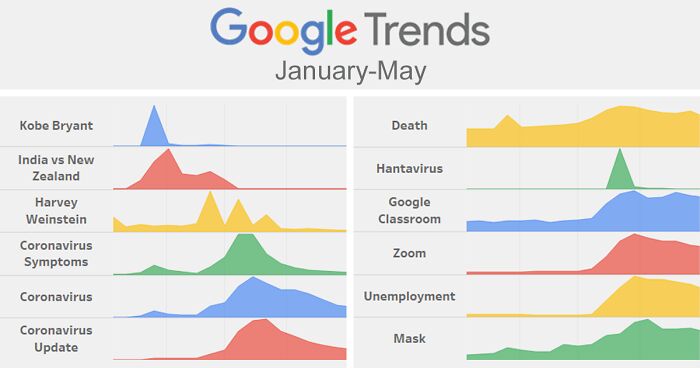
News and culture move fast. Real-time filters in the google search trend help you move with them. You can react to events in minutes, not days.
Steps that work:
- Watch real-time and past four hours windows for your category.
- Build pre-approved templates for posts and visuals to ship fast.
- Add context, not just speed. Provide value, explain shifts, and cite sources.
- Update content with timelines and FAQs as the spike unfolds.
One night, I watched a sudden spike around a policy change. We published a plain-language guide within an hour. It rode the google search trend wave and earned links from industry sites.
Forecasting seasonality and demand
Many searches repeat by season. The google search trend reveals the cycle and its size. You can forecast content, ads, stock, and staffing with it.
Try this simple model:
- Pull five years of data for your core terms.
- Note the peak months and the lead time before peaks.
- Start content two to four weeks before the climb.
- Scale ads at the first clear inflection.
You can smooth noisy charts with moving averages. You can also benchmark this year against last year by syncing dates. This turns the google search trend into a light forecasting tool that helps teams plan.
Common mistakes to avoid
Even good marketers slip here. These traps waste time and budget.
Watch out for:
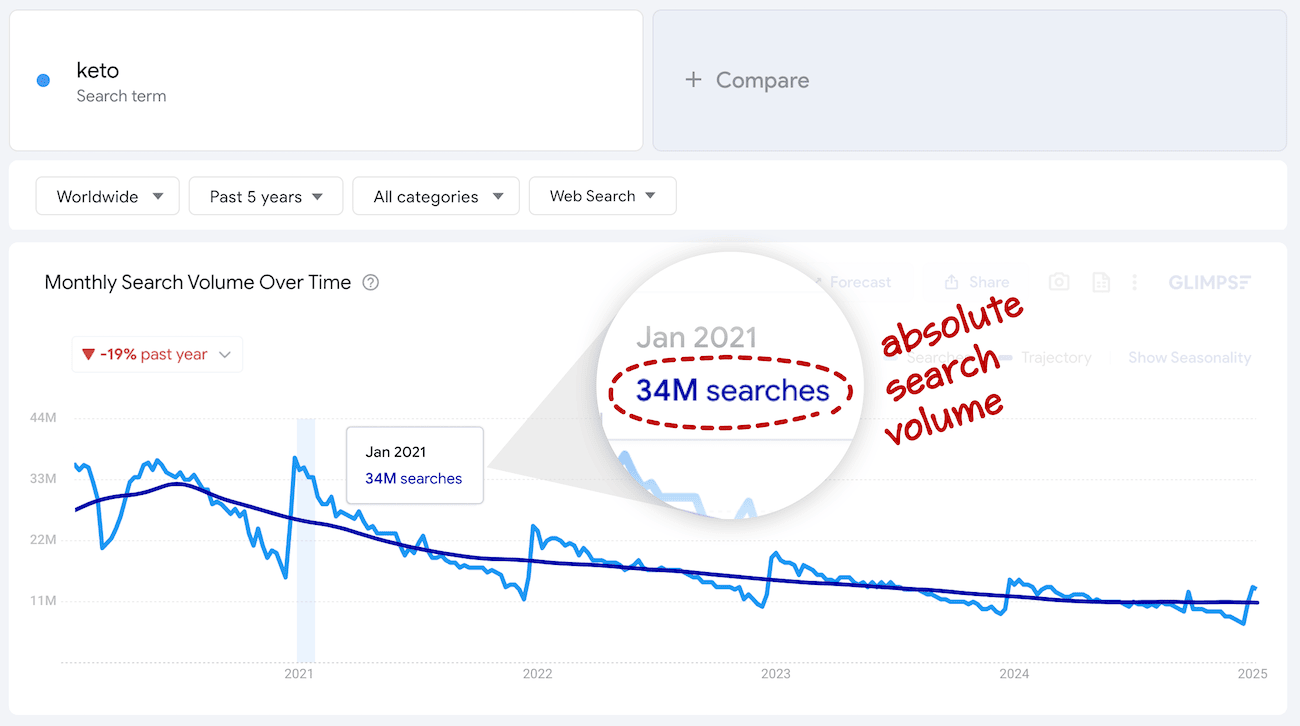
- Treating the index as volume. The google search trend is relative, not absolute.
- Wrong category choice. A bad filter can skew interest and hide intent.
- Too short windows. Short ranges hide long cycles and mislead.
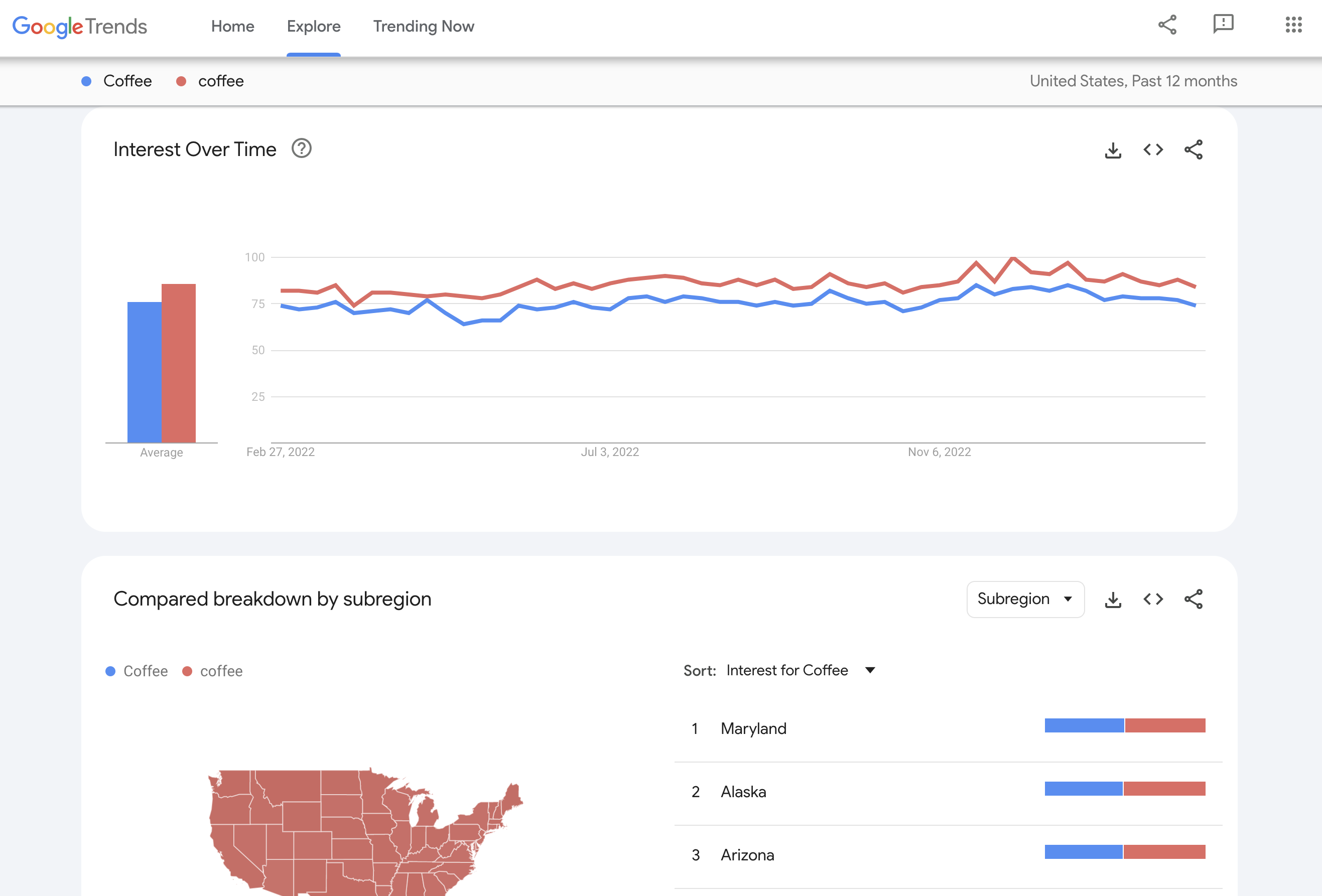
- Over-reliance on one term. Compare variants to find the true leader.
- Ignoring region bias. A global view can mask strong local demand.
I once chased a spike that faded in a week. It was a meme, not a market. Now I confirm a spike across seven to thirty days before scaling investment, unless real-time impact is core to the strategy.
Tools, integrations, and advanced tips
You can go beyond the UI to speed work. The google search trend supports workflows across SEO and analytics.
Helpful moves:
- Pair with Search Console to see clicks and CTR against the index.
- Use Keyword Planner for volume and the trend for timing.
- Export CSVs and chart comparisons for stakeholders.
- Track a term set monthly and keep a living trend log.
- Test topics, not just exact terms, to capture broader intent.
Advanced comparisons help settle language debates. For example, compare “running shoes” vs “running sneakers” by state. The google search trend often shows clear regional winners. That insight lifts conversions with small copy changes.
Frequently Asked Questions of google search trend
What is the difference between google search trend and search volume?
The google search trend shows relative interest on a 0 to 100 scale. Search volume is the raw number of searches in a period.
How often is the google search trend updated?
Most charts update daily, while real-time data updates by the minute. The exact cadence can vary by region and category.
Can I use google search trend for small niches?
Yes, but data may be sparse or unstable. Use broader topics, longer time windows, and compare related terms for context.
Why does my term show 0 sometimes in the google search trend?
A 0 means interest is very low relative to its peak in your selected range. It does not mean zero searches happened.
Is google search trend accurate for forecasting?
It is useful for timing and seasonality. For precise forecasts, pair it with volume tools and your own sales or traffic data.
Conclusion
The google search trend turns raw curiosity into clear signals you can use. Read the curve, compare variants, and act before the peak. Pair it with volume, and you will time content, ads, and launches with confidence.
Put one process in place this week. Track five key terms, compare regions, and plan one piece of content from a rising query. If this guide helped, subscribe for more hands-on growth playbooks or share your own trend wins in the comments.
Leave a Reply